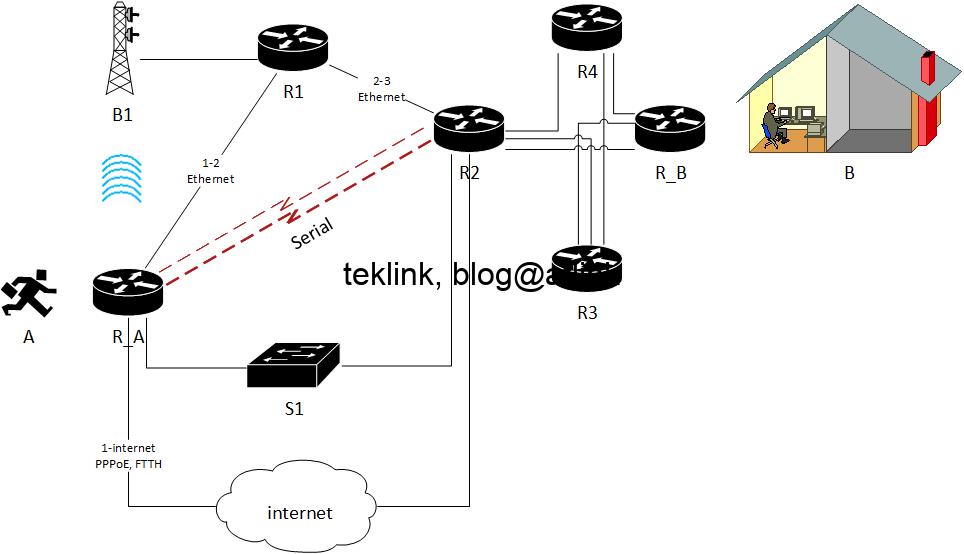
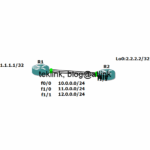
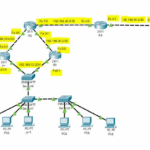
Routing From Scratch… If It’s Necessary, How To Route?

Let’s discuss in this blog, the operation of routing using a simple network example: a home network. Introduction The person in A wants to join its colleagues in location B through the network topology described in the below figure. This person needs to go back home at the evening! Should the one way and return…...

Free level Membership Required

You must be a Free level member to access this content.

Join Now

Already a member? Log in here
Read More

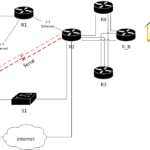
I-BGP Synchronization With IGP

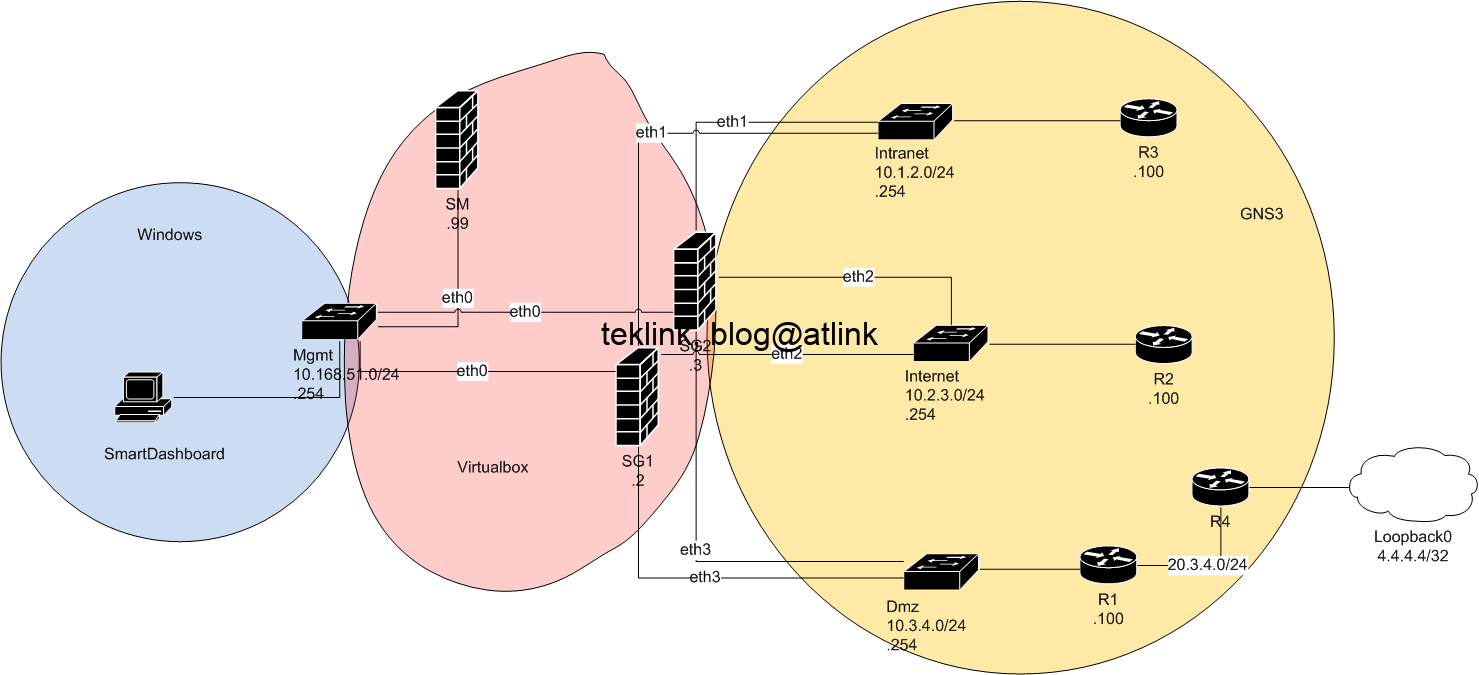
In this blog, we will discuss the I-BGP synchronization with IGP feature. A little introduction By definition, the BGP synchronization rule requires that when a BGP router receives information about a network from an I-BGP neighbor, it does not use this information until a matching route : static or dynamic : learned via an IGP…...

Free level Membership Required

You must be a Free level member to access this content.

Join Now

Already a member? Log in here
Read More

Bézier Curves-Based Novel Out-Of-Path Beamforming Calibration Technique in IEEE 802.11 Wlan Networks

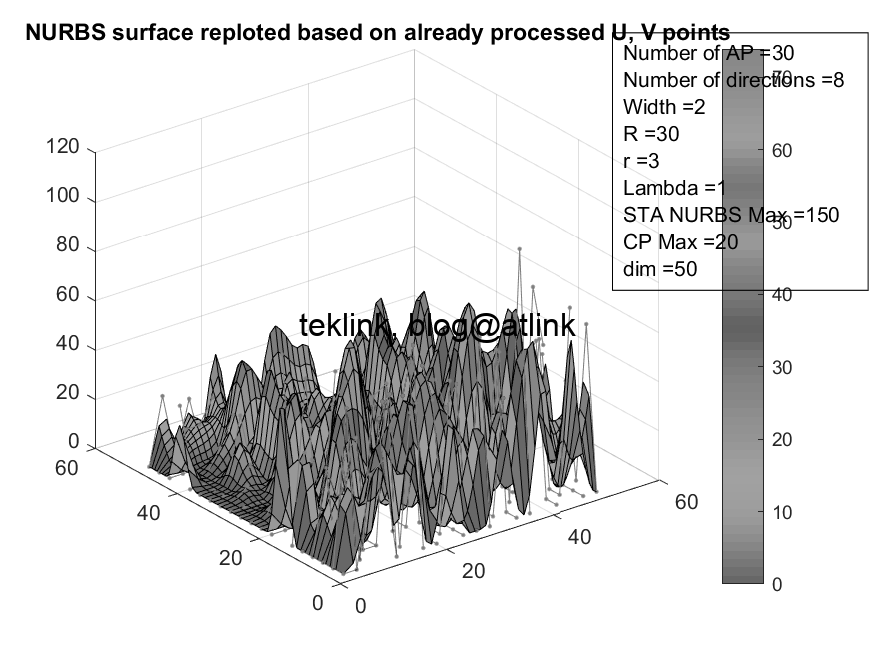
This post is descriptive of our work on RRM or radio resource management in WLAN (Wireless LAN) and especially on the operation of beamforming, available here : Bézier Curves-Based Novel Out-of-Path Beamforming Calibration Technique in IEEE 802.11 WLAN Networks First of all what is beamforming Beamforming is a major building block of Radio Resource Management…

Read More

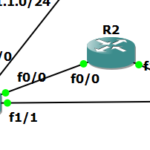
Cisco HSRP In Detail

In this blog, we’ll discuss in detail the operation of HSRP one of the most known FHRP (First Hop Routing Protocols) protocols proposed by Cisco to help secure (in terms of redundancy) the gateway (for hosts or servers) within a LAN. The objective is simple: configure one gateway address and provision as many real routers…...

Free level Membership Required

You must be a Free level member to access this content.

Join Now

Already a member? Log in here
Read More

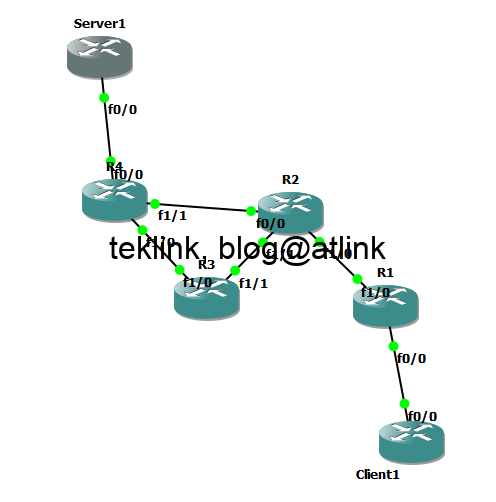
Is It Sufficient RIP Split-Horizon Rule To Prevent Routing Loops?

Introduction Dynamic routing protocols exchange routing information before populating routing tables and forwarding packets. For this task, RIP (routing information protocol) put into play many machanisms and rules to guarantee that this routing information exchange is consistent: not contradictory among routers. An example of such inconsistency is to receive the same routing information on two…

Read More